
Why Your Gutter Pulling Away Could Mean Fascia Damage

Why Is My Gutter Pulling Away From My House?
If your gutter is pulling away from your home, it's usually a sign that something more than the gutter itself is wrong.
While loose fasteners can sometimes be the culprit, a gutter that separates from the roofline is often caused by:
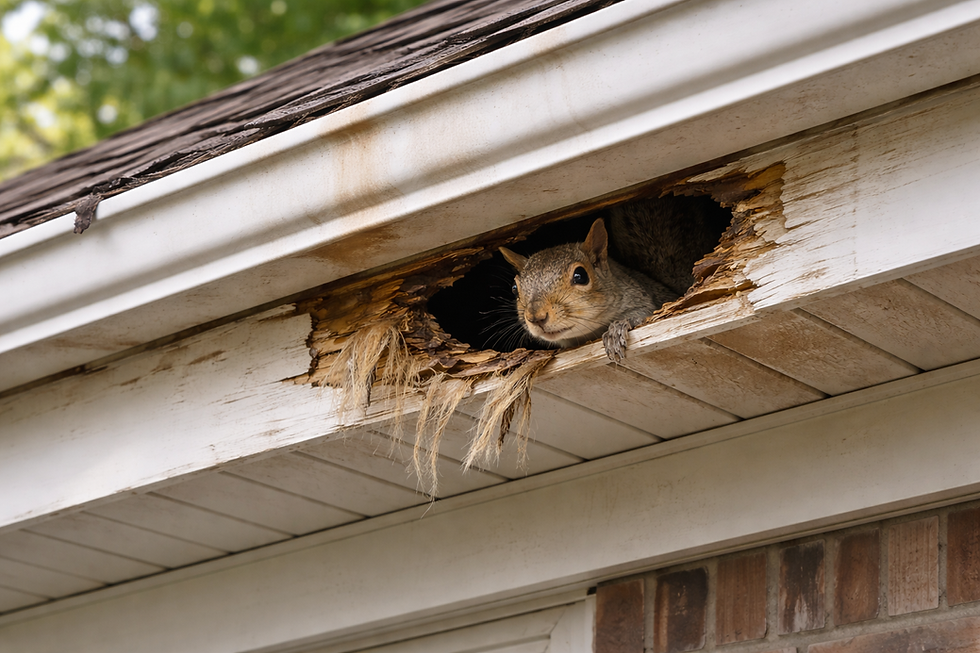
Rotting fascia boards
Water damage behind the gutter
Gutters clogged with debris and holding excess weight
Storm or wind damage
Improper installation
Aging materials
Ignoring the problem can allow water to run behind the gutter instead of into it, leading to additional damage to your roofline, siding, foundation, and even the interior of your home.
For homeowners in Nashville, Hendersonville, Goodlettsville, Madison, Gallatin, White House, Springfield, Ashland City, and surrounding Middle Tennessee communities, this is one of the most common exterior repair issues we see after heavy rain and storm season.

Why Gutters Pull Away From a House
Your gutters are designed to collect rainwater and safely direct it away from your home.
When they're securely attached to solid fascia boards, they can handle years of rainfall. But over time, several factors can weaken that connection.
The most common causes include:
Water damage
Rotting fascia boards
Heavy debris buildup
Loose fasteners
Storm damage
Poor installation
Aging gutter systems
Sometimes homeowners assume they simply need the gutter reattached. In reality, the gutter may be pulling away because the wood behind it is no longer strong enough to hold it in place.
What Is the Fascia Board?
The fascia board is the long board that runs along the edge of your roof. It serves several important purposes:
Supports your gutters
Protects the edge of the roof
Helps keep water away from roof framing
Creates a finished appearance along the roofline
Because gutters are fastened directly into the fascia, any deterioration of the wood can affect the entire gutter system.
How Fascia Damage Happens
Fascia boards are constantly exposed to moisture. When gutters become clogged or overflow, water can spill behind the gutter and soak into the wood. Over time this can cause:
Wood rot
Swelling
Splitting
Weak attachment points
Eventually the screws or gutter spikes no longer have solid wood to hold onto, allowing the gutter to begin pulling away.
6 Warning Signs Your Fascia May Be Damaged
If your gutter is loose, look for these additional warning signs.
1. Peeling or Bubbling Paint
Paint that is peeling along the roofline often indicates moisture trapped inside the wood.
This is usually one of the earliest visible warning signs.
2. Soft or Spongy Wood
If the fascia feels soft when gently pressed—or crumbles easily—the wood has likely started to rot. Never ignore soft wood around the roofline.
3. Gutters That Sag or Lean Forward
Sagging gutters often mean:
Water is too heavy
Fasteners have loosened
Fascia boards are failing
The problem usually gets worse with each heavy rain.
During a rainstorm, watch where the water goes. If water runs behind the gutter instead of into it, the gutter may have separated from the fascia.This allows moisture to soak directly into the roofline.
5. Visible Gaps Between the Gutter and the House
You should not see daylight between your gutter and the fascia board. Even a small gap allows water to get behind the system.
6. Rotting Wood Near the Roofline
If you notice:
cracked wood
peeling paint
dark staining
crumbling trim
there's a good chance the fascia has already begun deteriorating.
Why Ignoring the Problem Can Become Expensive
A loose gutter doesn't just affect your gutters. Water overflowing or running behind the system can eventually damage:
Roof decking
Siding
Windows
Landscaping
Foundation areas
Crawlspaces
What might begin as a relatively straightforward fascia repair can eventually involve multiple exterior systems if moisture is allowed to continue entering the home.
Nashville Weather Makes Fascia Damage Worse
Middle Tennessee weather is especially tough on rooflines. Homes throughout the Nashville area experience:
Heavy spring rain
Strong thunderstorms
High humidity
Seasonal freeze-and-thaw cycles
Falling leaves that clog gutters
All of these conditions increase the amount of moisture around gutters and fascia.
If gutters aren't cleaned regularly or small repairs are delayed, fascia damage can develop surprisingly quickly.
Can the Fascia Be Repaired, or Does It Need to Be Replaced?
Every home is different. In some situations, only a small section of fascia has been damaged. In others, the damage has spread along a larger portion of the roofline.
A professional inspection can determine:
whether the wood is still structurally sound
whether localized repairs are possible
if replacement is the better long-term solution
The goal is always to repair what can reasonably be saved while preventing additional water damage.
How to Prevent Fascia Damage
The best way to protect your fascia is to keep water moving away from your home.
A few simple maintenance steps can make a big difference:
Clean your gutters regularly
Remove leaves, sticks, and debris before they cause overflow.
Watch your gutters during heavy rain
Overflowing water is often the first sign of a problem.
Check your roofline seasonally
Look for peeling paint, sagging gutters, or dark staining.
Repair small issues early
Replacing a few damaged boards is almost always less expensive than repairing widespread water damage later.
Schedule periodic roof and gutter inspections
Professional inspections often catch problems homeowners can't easily see from the ground.
Why Homeowners Sometimes Misdiagnose the Problem
One of the biggest mistakes homeowners make is assuming the gutter itself is defective.
In many cases, the gutter is doing exactly what it's supposed to do. The real issue is that the wood supporting it has deteriorated.
Simply screwing the gutter back into rotted wood may temporarily hold it in place—but it won't solve the underlying problem.
That's why it's important to identify why the gutter pulled away in the first place.
Why Nashville Homeowners Trust Quality Refurb Roofing & Construction
When a gutter starts pulling away from your home, the problem often involves more than one component of the exterior.
Quality Refurb Roofing & Construction evaluates the entire roofline to determine whether the issue involves:
Gutters
Fascia boards
Soffits
Roof edges
Flashing
Water drainage
By addressing the underlying cause—not just the visible symptom—homeowners can avoid repeated repairs and better protect their homes from future water damage.
Whether you need gutter repair, fascia replacement, soffit repair, roof repairs, or a full exterior inspection, our goal is to provide honest recommendations and quality workmanship that helps your home stay protected.
Final Thoughts
A gutter pulling away from your home is rarely something to ignore.
While the fix may be relatively simple if caught early, waiting too long can allow water to damage your roofline, siding, and other parts of your home.
If you've noticed sagging gutters, peeling paint, soft wood, or gaps between the gutter and your home, it's worth having the area inspected before the next heavy rain has a chance to make the problem worse.
Catching fascia damage early is often one of the easiest ways to avoid much larger exterior repair projects later.


Comments